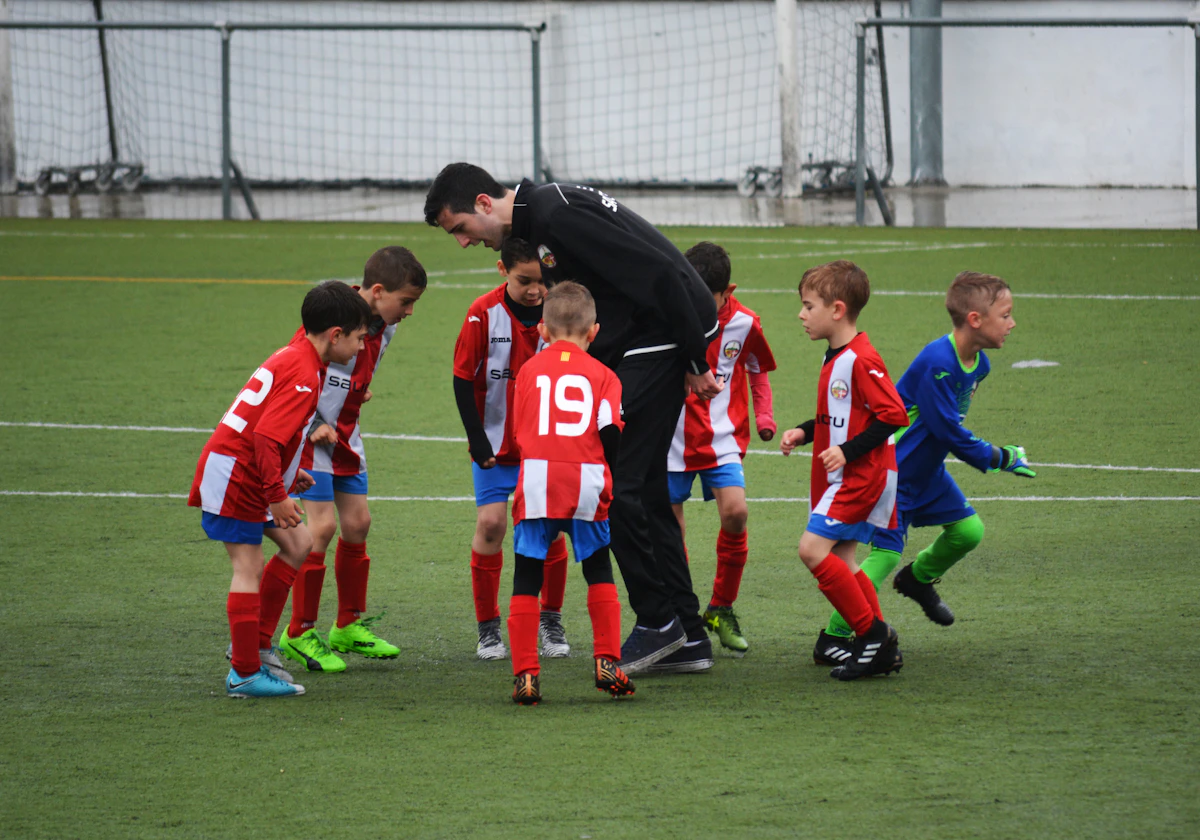
You get to the field. Two of your coaches are already there. One's warming up with some players on the side. The other's standing near the dugout waiting to find out what they're doing today.
Your players are already there too. A few are tossing the ball around. A couple are on their phones. Nobody knows what's coming. Nobody knows which group they're in, what the focus is, or what they're supposed to be getting ready for.
Practice starts in 10 minutes. The plan is still in your head — and everyone on that field is waiting for it.
Sharing the drill list is only part of the answer. The coaches who get the most out of every session prepare their players at four levels: what we're running, who's in which group, what each player is individually working on, and how we show up mentally.
The Problem With a Youth Sports Practice Plan Nobody Else Can See
When you're running a staff of three or four coaches, everyone needs to know their piece before you start. Which group goes where. What the focus is for the session. Who's running what part of the practice.
If they're finding that out when they arrive, the first 10 minutes are already gone.
You're explaining instead of coaching. Your staff is standing around waiting instead of getting set up. Your players — who showed up with no idea what's coming — are milling around losing focus before a single rep happens.
I ran into this constantly. I'd spend real time building the session — finding the right drills, thinking through the progressions, making sure the plan made sense from start to finish. Then I'd get to the rink and spend the first chunk of practice walking each coach through it one by one while players wandered.
The plan was solid. The work went in. The problem was it only existed with me.
Take a hockey practice — players step onto the ice having never seen the drill. You stop everything, gather them up, walk through the pattern. Half of them are fidgeting. A few aren't listening. You've burned five minutes and the first rep is still just a practice rep.
The player standing in line not knowing what's coming isn't being difficult. They just didn't have the information before they showed up.
Why Texting the Practice Plan Doesn't Fix It
The obvious answer is: just send it ahead of time. And I did — I'd text the plan, share a Google Doc link, drop something in the group chat.
It didn't stick.
The text got buried under other messages. The Google Doc link was somewhere in the thread — but which thread? Which link was this week's practice, and which one was from two weeks ago?
After a while, nobody was checking the links because there were too many of them and none were easy to find.
The fix isn't sending more information. It's giving everyone one place they always go before they leave the house.
Level 1 — Everyone Knows the Plan
When I started sharing the full session ahead of time — one place, clearly laid out — the difference was immediate.
My coaches arrived with a picture of the session already in their heads. They got set up without waiting on me. I started coaching from the first rep.
Players showed up focused. Nobody was hearing the drill for the first time. The warmup had a purpose. The first rep had a purpose. The whole session ran tighter because nobody was standing around waiting to find out what was happening.
And when someone on staff couldn't make it, the fill-in had something real to work from — because the plan wasn't locked in anyone's head.
“Even when I couldn't be physically present at practice, I was still able to organize detailed practice plans that my assistant coaches and team parents could easily follow. The drills, timing, and structure were clearly laid out, which allowed everyone helping run the session to stay on the same page and keep the team focused.”
But the plan is only the first layer.
Level 2 — Every Player Knows Their Group and Their Purpose
Here's the version of this problem most coaches don't solve: players show up knowing what's on the schedule — but not what they specifically need to work on.
Random groups are one of the biggest wastes of a well-planned practice.
When you rotate players through stations without intention, a player struggling with her first step in defense lands next to a player who's already mastered it. Neither gets what they actually need from that rep.
The players who develop fastest aren't the ones who go through the most drills. They're the ones who spend the most time on the right drills for where they are right now.
Before practice, a coach who's thought this through has already decided: these three players who need work on footwork go in the same group. The two who are ready for a more advanced progression go in another. The groupings are a development decision, not a logistics one.
When players see their group assignment before they arrive — not just the drill list, but which group they're in and what that group is working on — they show up with a different focus. They know why they're there. They know what the rep is trying to fix.
A player who knows her purpose before she steps on the field takes better reps than a player who finds out when the whistle blows.
Your assistant coaches show up already assigned to their station. Your players already know their group. Practice starts — it doesn't load.
Level 3 — Players Know What They're Tracking
There's a layer beneath the group assignment that most coaches don't have a system for: the individual target.
Not "work on your footwork." That's a direction, not a goal.
A goal is: your sprint time is 5.2 seconds. We're working to get it to 4.8. Here's what the next four weeks look like.
When a player has a specific, measurable target — a free throw percentage to hit, a serve accuracy score to improve, a movement pattern to lock in — every rep at practice becomes data. They're working toward something with a number on it.
A player who knows exactly what she's tracking shows up differently than a player just executing whatever drill is next. She self-corrects. She logs her own progress. She asks better questions.
The group plan tells the team what's happening. The individual target tells each player why it matters for them.
Level 4 — Players Arrive in the Right Mindset
This is the easiest level to overlook — and one of the hardest to coach without a system.
Every team has a culture. Standards they hold. Language they use. Expectations that shape how they compete and treat each other. But most of the time, that culture lives in a speech the coach gives at the start of the season.
By week four, it's a poster in the locker room nobody reads.
Culture is only real if it shows up in the work.
The way to make that happen is through rituals — short, repeatable routines that happen before or after practice and connect the day's work back to the team's standards. Not a motivational talk. A specific routine players come to expect.
A pre-practice ritual that takes two minutes — a focus word for the session, a standard the team calls out, one behavior they're committing to today — changes how players step onto the field. They're not just showing up. They're oriented.
The other side is what happens after practice.
A player who takes two minutes to reflect on the session — what they worked on, what clicked, what didn't — retains more than a player who walks off the field and checks their phone. Reflection is practice too. It's the cognitive layer that makes the physical reps stick.
Coaches who build rituals and reflection into the session aren't just developing skills. They're developing focus, self-awareness, and the ability to learn from reps. Those are what separate players who plateau from players who keep getting better.
Before Your Next Practice
This is what we built CoachPro to support — not just the plan itself, but all four levels of preparation.
The plan. Every drill with its description, coaching points, embedded video, and diagrams. Your staff opens it and knows exactly what they're running, which groups they have, and what equipment they need. Players see the drill — the pattern, the focus point, the video — before they ever show up.
The groups. Groups & Station Planning lets you assign players by development need — not rotation. Staff see their station assignment. Players see their group. The first minute of practice is a coaching minute, not a logistics minute.
The individual targets. Each player has a specific goal attached to their name. Sprint time. Free throw percentage. Serve accuracy. Players see their targets in the portal and log their own progress between sessions. Every rep has something it's working toward.
The mindset. The Culture feature lets you define your team's standards and attach rituals directly to events. A pre-practice routine that connects the session to what the team stands for. A post-practice reflection prompt players answer before they leave. Culture stops being a speech and starts being a practice.
No printed sheets that get lost. No group chat threads with fifteen links nobody can find. One place. One plan. Every player showing up ready — not just informed.
CoachPro gives your coaching staff one place to see the practice plan, drills, and session structure before they arrive — with intentional group assignments, individual development targets, and culture rituals built into every session. The first rep is a real rep because the preparation happened before anyone left the house.
Quick Summary
- When the plan isn't shared ahead of time, staff arrives without direction and players arrive without focus — you lose the first 15 minutes before a single rep happens
- Texting links and sharing Google Docs doesn't fix it — messages get buried and links pile up until nobody checks them
- Level 1: Share the full plan — drills, coaching points, video — so everyone arrives knowing what's happening
- Level 2: Assign groups intentionally. Players show up knowing their group and their purpose. Random rotations waste reps.
- Level 3: Give each player a specific, measurable individual target. A player working toward a number takes better reps than one just executing drills.
- Level 4: Build rituals and reflection into the session. A pre-practice routine orients the team. Post-practice reflection makes the reps stick.
- CoachPro supports all four levels in one place — plan, groups, individual targets, culture, and reflection