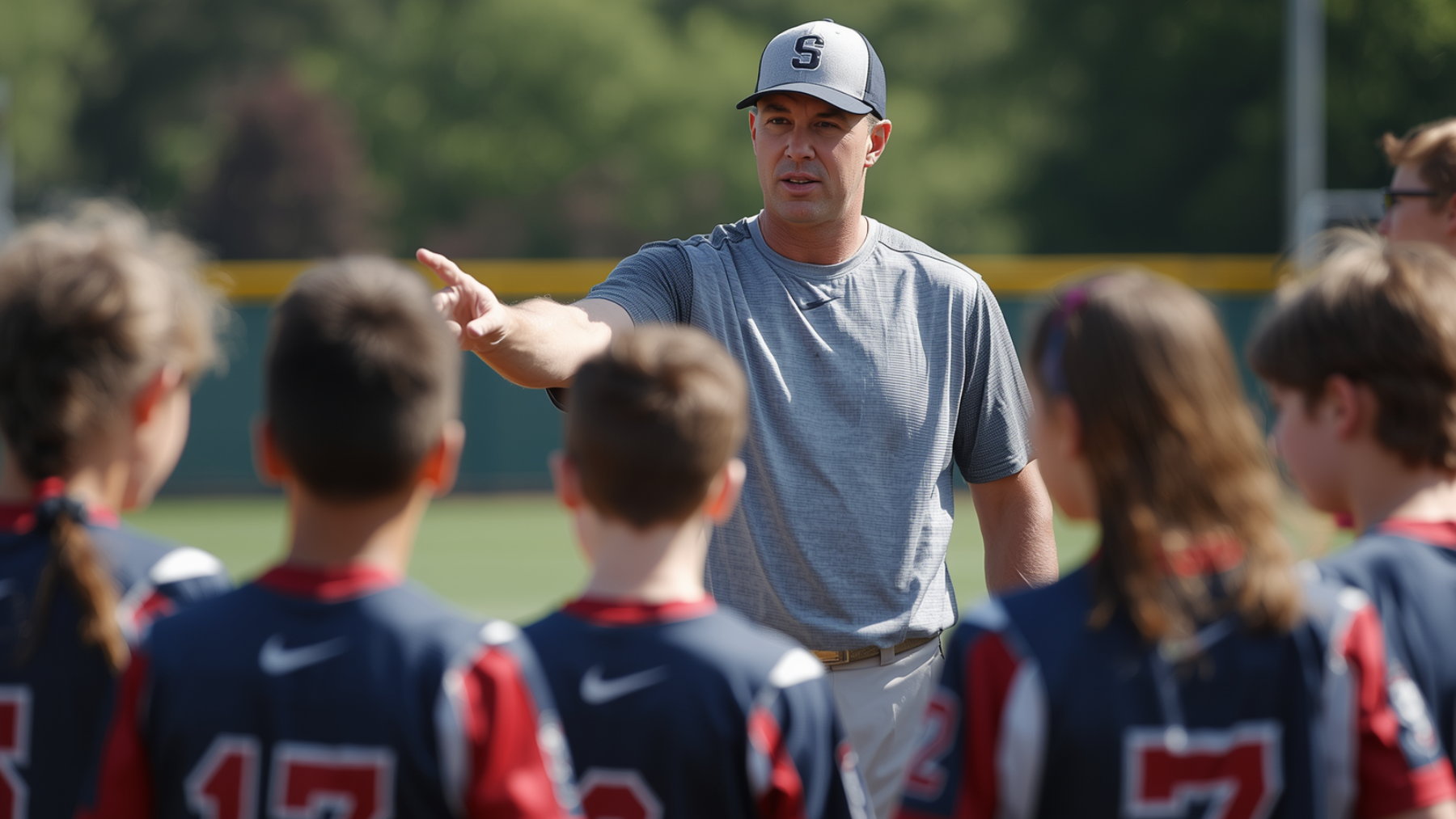
Practice is two drills in. A group finishes their reps. You blow the whistle.
You need 60 seconds to sort out the next rotation, figure out the groups, confirm who goes where, get the next station ready.
Sixty seconds is enough.
Two players start goofing around at the net. Three more follow. Someone throws a ball across the gym.
Now you're managing behavior instead of coaching, and the session hasn't even hit the halfway point.
Players didn't lose focus because they don't care. They lost it because nobody told them what was happening next.
The Real Cause of Lost Focus at Practice
Most coaches treat focus as a behavior problem: be more commanding, hold them accountable. That's not wrong. But it addresses the symptom, not the cause.
The biggest driver of lost focus isn't attitude. It's unplanned time where players have nothing to do.
When a drill ends and players don't know what they're moving to, they fill the gap. Not maliciously, it's just what happens without direction.
There are three things you can plan before practice that eliminate most of this without relying on authority to hold things together.
1. Build Stations Instead of Lines
The short version: if players are standing in a line, they're not practicing, they're waiting. Stations keep everyone active at the same time.
When everyone runs the same drill in a single line, most players are waiting for most of the practice. One player gets a rep. Fifteen stand in line. Two minutes pass. They go again.
Players lose focus in lines because standing in line isn't practice.
The fix is stations. Split players into two or three groups running different drills at the same time. Every player is active. Nobody is waiting for the line to move.
A volleyball practice with three stations, passing, setting, serving, keeps every player engaged simultaneously. The whistle blows. Groups rotate. Movement is continuous. There's no gap for focus to drop into.
How CoachPro supports this: You build each station directly into the practice plan as its own section. Each station has a different drill attached, with the video, coaching points, and focus point already embedded. You assign a coach to each station. The whole session structure is visible in one plan before you leave the house.
- Station 1 -> drill -> coach assigned
- Station 2 -> drill -> coach assigned
- Station 3 -> drill -> coach assigned
- No confusion. No setup time on the field.
2. Assign Groups Before You Arrive - Based on Who Should Practice Together
The short version: don't sort groups at the whistle. Decide at home, when you have time to think about who should be practicing with whom.
Not every combination of players works. You already know which players feed off each other productively, and which ones together turn into a distraction for the whole group.
Most coaches sort groups on the fly. It's faster in the moment, but you're making those decisions under pressure without thinking them through.
When you plan groups at home, you have time to think about who should be practicing together and who shouldn't.
- Put your two most easily distracted players in separate groups
- Put a newer player next to someone who can model the skill
- Split up the best friends who always end up talking
These take 30 seconds when you're planning. They save five minutes of intervention during the session.
How CoachPro supports this: You assign players to groups inside the practice plan, with your full roster visible in front of you. You're not working from memory. You can see every player, think through the combinations, and place them deliberately.
When staff opens the plan, they see which players are in their group. When players open their portal, they see which group they're in and which station they're starting at.
The sorting happened at home. Not at the whistle.
3. Share the Plan Before Practice So Players Already Know What's Next
The short version: don't explain rotations at the start of practice, players forget by drill three. Share the plan the night before so they arrive already knowing.
Even with stations and intentional groups, focus breaks down at transitions if players don't know where they're going next.
Explaining every rotation at the start of practice doesn't work, players forget by the third drill. And announcing groups at every transition creates exactly the dead time you're trying to eliminate.
The solution is sharing the plan before practice so players arrive already knowing their group, their station, and what they're working on.
How CoachPro supports this: The practice plan is shared with both staff and players before they leave the house.
- Players open their portal and see their group, their starting station, and the drill they're working on, including the video and focus point
- Staff opens the same plan and sees their assigned station, their group, and the drill they're running
- They get set up without the head coach briefing them in the parking lot
The coach blows the first whistle. Players move to their station. Staff is already set up. The first rep happens in the first minute.
No announcements. No sorting. No gap.
What It Looks Like When All Three Run Together
A single CoachPro practice plan, built before you leave the house, covers all three:
- Stations built with different drills, video, and coaching points attached
- Players assigned to intentional groups with the right combinations
- Plan shared with staff and players before they arrive
A practice built this way feels different from the first whistle.
Players move with purpose. Transitions are short. Coaches are watching and adjusting, not sorting groups and managing behavior.
The energy doesn't drop because there's no gap for it to drop into.
I've run the same players in disorganized sessions and organized ones. Same players. Same drills. Completely different focus, because the plan eliminated the gaps.
Organized practices don't just run more efficiently. They develop better players, because focused reps compound over a season in a way that distracted ones don't.
CoachPro lets coaches build station-based practice plans, assign players to intentional groups, and share the full session with staff and players before they arrive, so everyone knows what's happening from the first whistle.
Quick Summary
- Players lose focus during unplanned transitions, not because of attitude, but because there's nothing to do and nobody told them what's next
- Station-based drills keep every player active at the same time with no lines, no waiting, and no gap for focus to drop
- Intentional group assignment means planning who practices with whom at home, where you have time to think it through
- Pre-shared plans mean players arrive knowing their group and station, so transitions become movement instead of sorting
- CoachPro builds all three into one practice plan: stations with drills attached, players assigned to groups, and the plan shared with staff and players before they leave the house