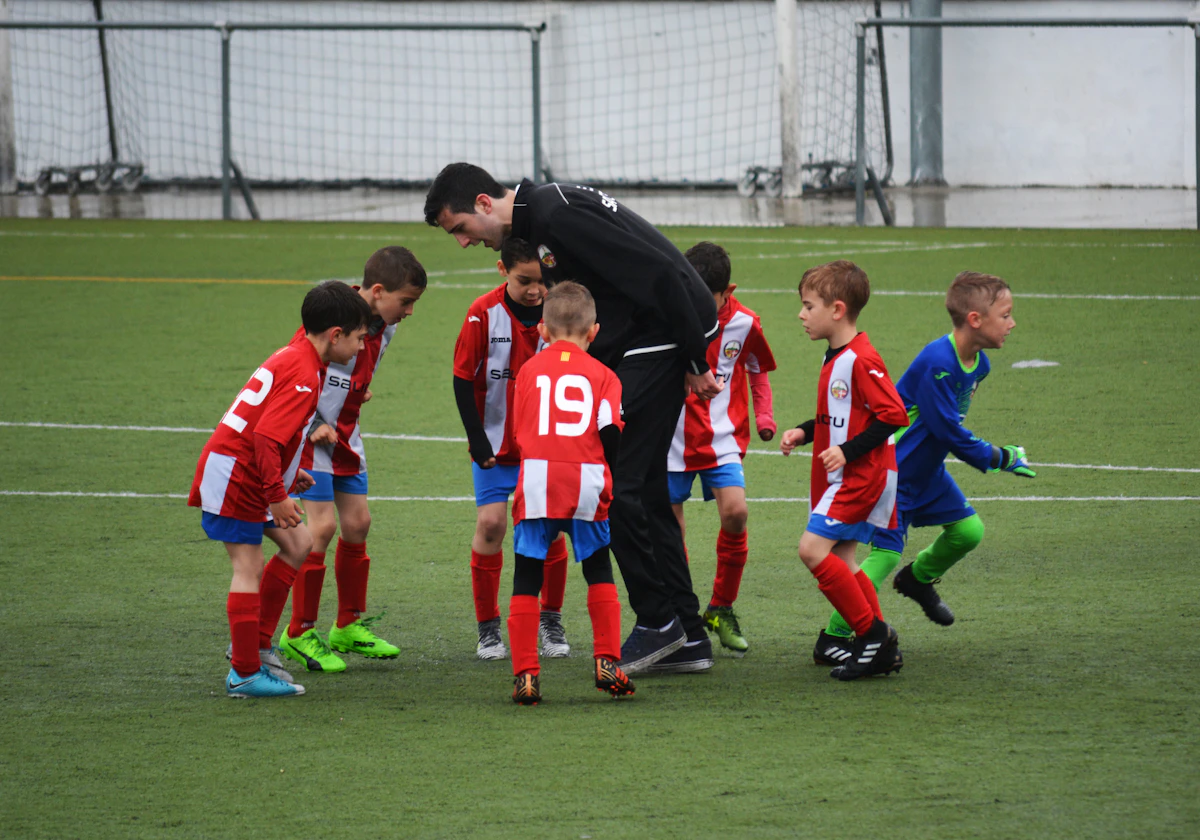
Most coaches collect drills. The ones who actually develop players design them.
After enough seasons, you already know the gap this post is about. Tuesday's drill looks clean. Saturday, the skill disappears. That's not an execution problem. That's a design problem — and specifically, it's a drill that isn't game-like enough. The fix is in the drill, not the player.
Four Reasons Drills Stop Teaching
You've seen all of these. Quick scan — then we get to what actually fixes them.
- No purpose named before the rep. The drill runs, the player swings, neither of you could say what's being fixed right now. The drill is just exercise.
- Feedback lag. The longer the rep runs, the further the correction lands from the action that caused it. The bad habit gets reinforced before the player hears the fix.
- Rote reps without adjustment. Without a focus changing from rep to rep, the player just rehearses what they already do. Fifty reps, no learning.
- Same drill for every player. Bores the advanced player, overwhelms the developing one. The drill never met the roster.
What Makes a Drill Game-Like: 5 Design Moves
Here are the five simple moves that turn a drill from exercise into teaching.
1. Name the Purpose Before the Rep Starts
The player knows the focus before stepping in. Not "we're doing the tee drill." It's "we're working on staying through the ball."
The purpose anchors every rep. Share the session through the portal the night before — they walk in oriented, you walk in to adjust.
2. Build Game Pressure Into the Drill
A defender. A time. A decision. Fatigue.
The closer the drill looks to the game, the more the skill survives when the game shows up. This is what game-like drills do: they put the player in the real situation before the real situation shows up.
Layer the constraint into the drill — defender position, time limit, decision cue. Save the harder versions as their own progressions so you can step the pressure up across the week without rebuilding.
3. Leave Room for Feedback Inside the Rep
Short, interrupted drills teach faster than long continuous play.
Wooden's "offense to defense, defense to offense" structure was built for this — a rep, immediate feedback, another rep. Seconds between correction and application.
Build the practice in segments with the coaching point written between them. The feedback loop is designed in, not improvised on the field.
4. Design for the Individual, Not Just the Team
Not every drill is for everyone. Sometimes the drill is for one player with one specific need.
A development target — starting point, target, deadline — and a drill assigned directly to that player's portal. The individual work happens whether or not you remember it in the middle of a team drill.
5. Progress Simple to Complex Across the Week
Same concept, rising difficulty. Foundation Monday. Pressure Tuesday. Decision-making Wednesday.
Design the progression inside the drill itself — base version, then the harder variations layered in. One drill with rising difficulty, not three separate drills to manage.
Monday, Tuesday, Wednesday, the arc is already there.
Constraint-Led Design: Build the Drill Backwards From the Mistake
Stop starting with a drill and looking for a concept it teaches. Start with the mistake you saw in the last game, and design the drill that forces the correction.
Five steps:
Step 1 — Name the mistake specifically. Not "poor footwork." "Back foot staying down too long on the transfer." The more specific the mistake, the more specific the drill.
Step 2 — Identify the game situation that creates it. When does the mistake actually happen? Under pressure. On a read. After fatigue. The drill has to recreate the situation — not an abstract version of it.
Step 3 — Build the constraint that pulls the mistake out. What has to be in the drill for the mistake to reliably show up? Without the constraint, the drill won't surface the thing you're trying to fix.
A few real examples of what that looks like.
Basketball: Game-Like Drills for the Closeout
The player flies past shooters on closeouts. The abstract drill is close out on a spot. The drill that teaches is close out on a live player who can pump-fake or drive. The pump-fake is the constraint. Without it, the drill never pulls out the over-commit.
Hockey: Game-Like Drills for Head-Up Stickhandling
The player skates with head down and can't see passes or hits coming. The abstract drill is stickhandle through cones. The drill that teaches is stickhandle while calling out the number of fingers the coach is holding up. Reading the coach is the constraint. Without it, the player never has to keep their head up — the drill tolerates exactly the mistake you're trying to fix.
Softball: Game-Like Drills for Off-Speed Recognition
The hitter commits early on off-speed. The abstract drill is front toss. The drill that teaches is front toss with fastballs and change-ups mixed randomly, no pattern. The randomness is the constraint. It surfaces the early weight transfer.
The pattern is the same in every sport: the constraint is what turns a drill from a motor-skill exercise into a teaching tool. Without it, you're just running reps.
Step 4 — Define the success condition inside the drill. How will the player know — in the rep, without you talking — whether they did it right? A target. A time. A rep count. A visible result. If the only feedback is your voice, the drill isn't teaching when you're not talking.
Step 5 — Write it up so the design travels. The mistake, the constraint, the success condition, the coaching point — all of it written into the drill, not held in your head. That's what lets the drill carry from one practice to the next, from you to your assistants, from this season to the next. The design is only as good as the place it lives.
The Coaching Points Are the Drill
The drill is the delivery mechanism. The coaching points are the drill.
Don Meyer put it sharper:
“In practice, don't just run basketball drills, teach the players how to play basketball.”
That's the whole post. The drill isn't the point. The teaching is. If the design doesn't put the player in the position to learn the concept, no amount of reps will get them there.
The Work Happens Before Practice
Wooden spent two hours planning a two-hour practice. That wasn't excessive — that was where the coaching actually happened.
The reps on the field are the delivery. The design is what makes them teach.
Most coaches collect drills. The ones who stay good for 25 years keep designing them.
Stop Collecting Drills. Start Designing Them.
CoachPro is built for coaches who want to plan practices like this — with the design of the drill, not just the drill itself, at the center.
Every piece referenced in this post is built into the product:
- Drill Library — write the purpose and coaching point into the drill, so the design travels every time you pull it up
- Drill Builder — layer in the constraints that turn a drill into a teaching tool, and save the harder versions as progressions
- Practice Planner — build the session in timed segments with the coaching points between them
- Player Portal — share the plan the night before so players arrive oriented, and assign individual drills to the players who need them
- Development Targets — set a starting point, target, and deadline for each player's individual work
Pick one drill you've been running on autopilot — add the purpose, the constraint, the coaching point — and see what changes when the design travels with the drill to every practice, every assistant, every player.
Quick Summary
- Tuesday's drill looks clean and Saturday's skill disappears because the drill isn't game-like enough — the fix is in the design, not the player
- Drills stop teaching when there's no stated purpose, feedback lags behind the rep, players run rote reps without adjustment, or one drill serves every player on the roster
- Game-like drills name a purpose, build in game pressure, leave room for feedback, hit individual development targets, and progress simple to complex across the week
- Constraint-led design starts with the mistake you saw and builds the drill backwards — the constraint is what pulls the mistake out so you can fix it
- The pattern is cross-sport: basketball closeouts with a pump-faking defender, hockey stickhandling with head-up reads, softball hitting with randomized off-speed
- The drill is the delivery mechanism. The coaching points are the drill. Write the design into the drill itself so it travels from you to your assistants and from this season to the next